Supply Chain Supply Chain
Supply Chain Overview
YEE JEE values the stability and sustainable responsibility of its supply chain, viewing suppliers as essential partners in driving environmental and social co-prosperity. In 2024, the company had a total of 127 suppliers, consisting of 122 domestic suppliers (96%) and 5 foreign suppliers (4%). This highly localized procurement model not only reduces carbon emissions from international transportation and mitigates supply risks but also strengthens close collaboration with local industries, fostering regional economic development.
ESG Highlight Case: Circular Economy & Supply Chain
Material Innovation
• Primary products are made from natural rubber, reducing reliance on petrochemicals.
• Integrating pineapple fiber into tire sealant formulas, transforming agricultural waste into value.
Process Recirculation
• Production scraps are sorted and recycled, with a portion reintroduced into production.
• Gradually introducing FSC-certified paper materials to reduce the use of single-use plastics.
Circular Value of Products
• Tire patches and sealants extend the service life of tires and inner tubes.
• Effectively reducing waste generation and minimizing environmental burden.
Future Goals
• 2025: Add 1 new product application using circular/recycled materials.
• 2026: Complete a circular material inventory for major suppliers.
• 2027: Achieve a 70% coverage rate for FSC-certified packaging materials.
Supply Chain Risk Management
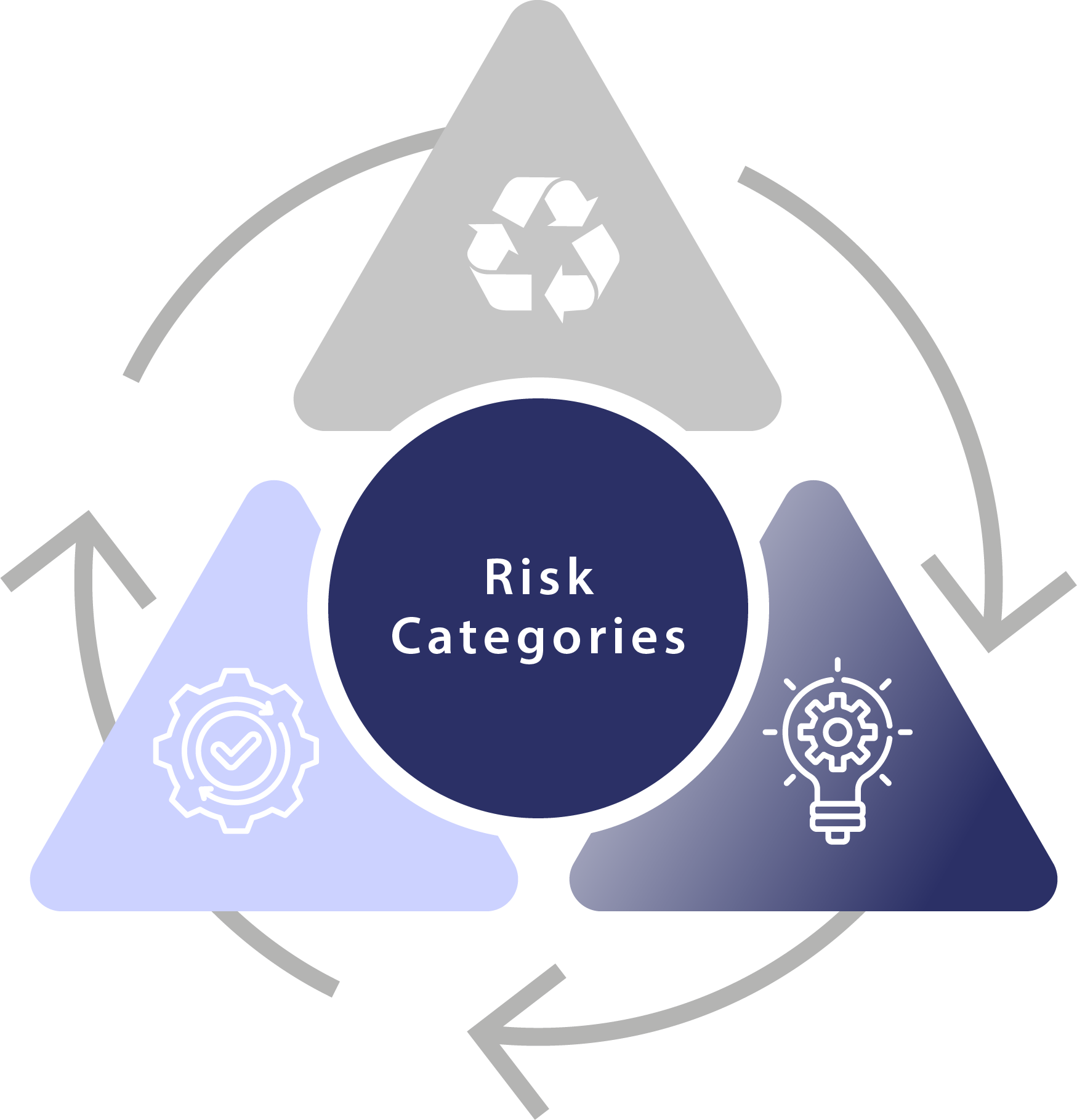
Primary Risk Categories |
Environmental Risks
• Natural rubber is susceptible to climate change, extreme weather (such as heavy rain or drought), and pests/diseases in planting regions, which may lead to supply fluctuations and cost increases.
• Aside from natural rubber, some auxiliary materials still originate from petrochemicals or chemical products (such as adhesives and additives), presenting challenges related to carbon emissions and environmental impact.
Social Risks
• There are significant variations in labor rights protection and occupational safety management, particularly among small and medium-sized outsourced manufacturers.
• The supply of raw materials involves conflict mineral issues and must comply with international responsible procurement regulations.
Governance Risks
• Global markets increasingly emphasize regulatory compliance, such as REACH, RoHS, and GHS. If suppliers fail to comply, it will impact the company's export markets.
• Varying levels of implementation regarding business integrity and anti-corruption policies among suppliers may lead to operational risks.
Supply Chain Risk Management Mapping
| Scope of Impact | Management Measures | Impact | Future Goals |
|---|---|---|---|
| Environmental Risk |
• Require suppliers to comply with environmental regulations such as ISO 14001, RoHS, and REACH. • Introduce bio-based materials like plant fibers to reduce reliance on traditional resources. |
Suppliers
Customers |
• 2025: Gradually inventory the environmental management status of major suppliers. • Add at least 1 new green material application annually |
| Social Risk |
• Require signing of the "Supplier Social Responsibility Commitment." • Formulate the "Conflict Mineral Substance Control Management Measures. • Periodically review labor and human rights issues. |
Suppliers
Employees Community |
• 2025: Reach a 50% signing rate for the commitment letter. • Increase annually to reach 80% by 2027. |
| Governance Risk |
• Establish a new supplier screening mechanism incorporating compliance reviews. • Periodically track the regulatory compliance of existing suppliers. • Introduce anti-corruption and business integrity clauses. |
Customers
Government Agencies |
• 2025: Complete compliance self-assessments for major suppliers (coverage≧ 20%). • Hold at least 1 supplier compliance or ESG briefing annually. |
Management Mechanism
New Supplier Screening
Translation: Incorporating ESG requirements into qualification screening.
Signing of Commitment Letters
• Translation: Progressively driving all suppliers to complete the "Social Responsibility Commitment."
• In 2024, a total of 51 suppliers have signed.
Periodic Reviews
Translation: Reviewing environmental, social, and governance (ESG) performance through annual supplier self-assessments and spot audits.
Partner Collaboration
Translation: Organizing supplier education, training, and exchange sessions to enhance low-carbon and compliance awareness.