Supply Chain

Sustainable Supply Chain

ESG & Low-Carbon = Chain Resilience & Corporate Edge

From supply chain management to customer value creation, PAX deepens responsible sourcing, green supply chains, and sustainable partnerships to build a resilient and competitive value chain system.

Supply Chain Overview

PAX builds a low-carbon, resilient supply chain via localized procurement, tiered supplier management, and ESG integration, transforming sustainability into a corporate competitive advantage.


Total Suppliers
Total Suppliers
118 suppliers
Domestic Suppliers Rate
96 %
Local Purchase
Local Purchase
95 %
Local Procurement Creates Sustainable Value
LOCAL PROCUREMENT

LOCAL PROCUREMENT

Reduce long-distance transport

LOWER TRANSPORT EMISSIONS

LOWER TRANSPORT EMISSIONS

Reduce carbon footprint & support low-carbon supply chains

MITIGATE SUPPLY CHAIN RISKS

MITIGATE SUPPLY CHAIN RISKS

Enhance supply chain stability & lower disruption risks

BOOST SUPPLY CHAIN RESILIENCE

BOOST SUPPLY CHAIN RESILIENCE

Elevate flexibility & response capabilities to ensure operational stability

ELAVATE CILENT ESG SCORES

ELAVATE CILENT ESG SCORES

Meet global brand standards & boost sustainability edge

BOOST GLOBAL EDGE

BOOST GLOBAL EDGE

Create long-term value & expand worldwide business opportunities

Supply Chain Risk Management

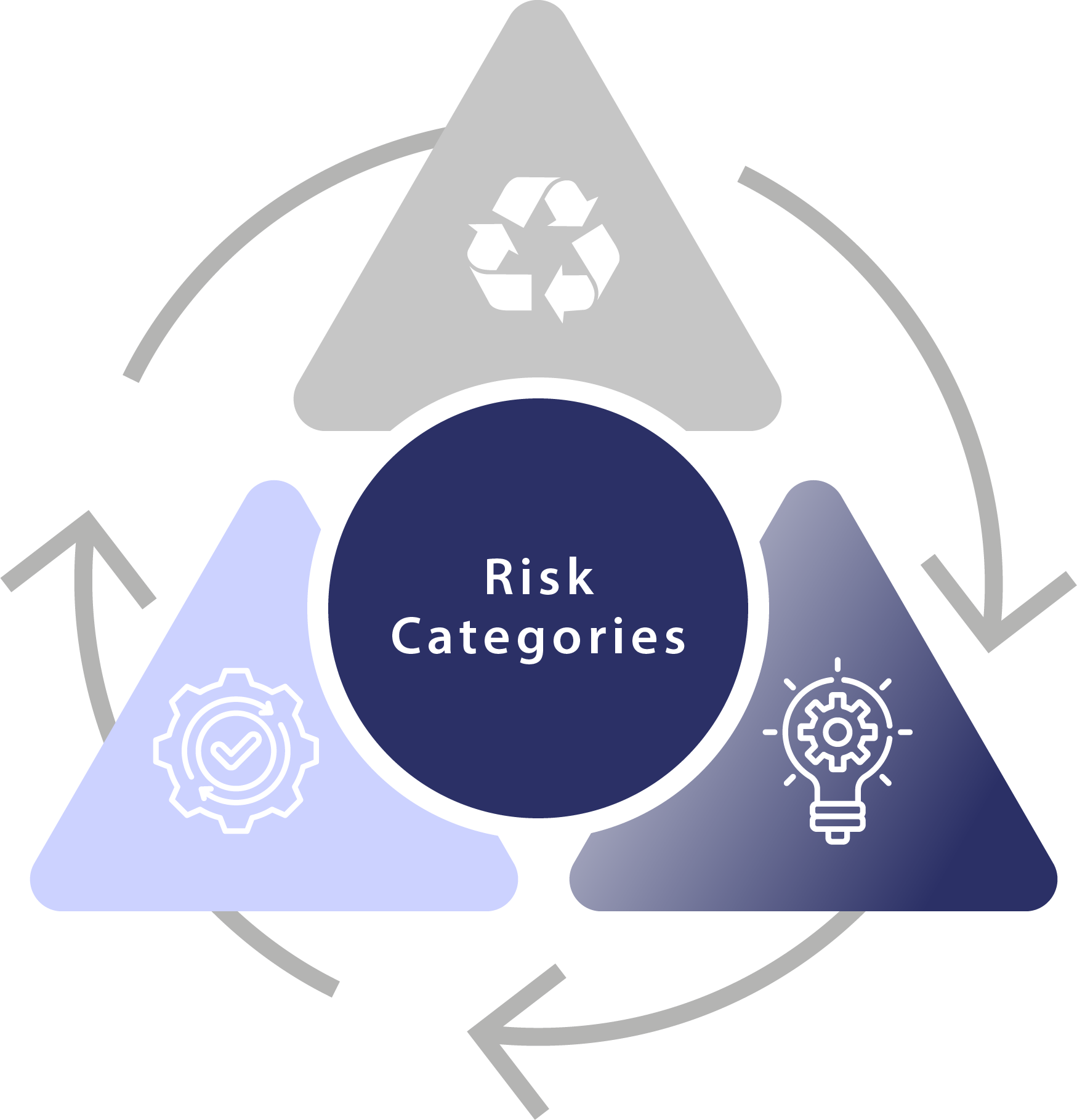
Risk Categories

ENVIRONMENTALS RISKS

ENVIRONMENTALS RISKS

  • Climate & extreme weather volatile rubber supply & costs.
  • Petrochemical auxiliary materials pose carbon & eco impacts.
SOCIAL  RISKS

SOCIAL RISKS

  • Gaps in labor rights & OHS among outsourced suppliers.
  • Raw materials involve conflict minerals; require responsible sourcing.
GOVERNANCE RISKS

GOVERNANCE RISKS

  • Non-compliance with REACH/RoHS/GHS impacts exports.
  • Uneven integrity & anti-corruption enforcement poses operational risks.

Policy Commitments

Environmental
  • Prioritize suppliers compliant with ISO 14001, RoHS, and REACH.
  • Encourage low-carbon processes and bio-based materials like natural rubber and pineapple fiber.
  • Reduce waste and energy consumption to lower supply chain carbon footprints.
  • Reduce Supply Chain Environmental Impact & Resource Consumption.
Environmental
Social
  • Prohibit child and forced labor; enforce compliance with local labor laws.
  • Require signing a Supplier CSR Commitment covering human rights, OHS, and DEI.
  • Encourage suppliers to support local industries and community development.
Social
Governance
  • Enforce business integrity and anti-corruption; prohibit fraud and improper benefits.
  • Ensure fair competition and absolute transaction transparency.
  • Establish supplier ESG assessment and tiering systems for procurement decisions.
  • Strengthen Supply Chain Risk Management & Sustainable Governance.
Governance
2025 Key Highlights
Signed CSR Commitments

60 Supplies
Signed CSR Commitments

Signed ECO Declarations

15 Supplies
Signed ECO Declarations

Green Material Share

Green Material Share
≧ 15 % (2026 Target)

Major Supplier Self-Assessment

Major Supplier Self-Assessment
≧ 15 % (2026 Target)

ESG Assessment Coverage

ESG Assessment Coverage
100 % (2030 Target)

ESG Cases | Circular Economy & Supply Chain
Material Innovation
Material Innovation
  • Natural rubber base; lower petrochemical reliance.
  • Integrate plant fibers to convert agricultural waste.
  • Develop bio & recycled materials to lower footprint.
Process Reuse
Process Reuse
  • Recycle production scraps back into manufacturing.
  • Progressively adopt FSC-certified packaging.
  • Optimize equipment to lower energy & emissions.
Sustainable Product Value
  • Patches & sealants extend tire & tube lifespans.
  • Minimize waste to reduce environmental burden.
  • Boost product durability for client-eco win-win.
Circularity Performance & Targets
  • 2025:Increase 1 product using circular / recycled materials.
  • 2026:Inventory circular materials of major suppliers.
  • 2027:FSC packaging coverage ≥ 60 % .
  • 2030:Implement tiered supplier ESG systems.
Loading...